

Interiors
The inside of the building, which is where people actually spend their time. Most of this is fitout work: someone else's shell, a landlord's programme, and a brand that has to read the same in Newmarket as it does at the airport.




What we design
Fitout inside an existing building. The common case. A lease is signed, the shell is what it is, and the work is to make it perform. That includes the parts nobody photographs: services coordination, fire and egress, landlord and centre approvals, and a programme that fits the hours the building allows.
Space planning. How someone moves through the room, what they meet first, where they wait and where the staff need to be. In a shop this is measured in sales. In a restaurant it is measured in covers and in how far a plate has to travel.
Joinery and detailing. Documented to a level a fitter can price and build without guessing, which is where most fitout budgets are won or lost.
Lighting design. Treated as its own discipline rather than a layer added at the end. Lighting is what makes merchandise read, what sets the hour inside a windowless tenancy, and what separates a room that photographs well from one that works at four in the afternoon.
Brand elements and signage. The point where the interior stops being a room and starts being recognisably a particular company's room.
Roll-out documentation. Where a format repeats, drawn once and adapted per site, so the second store is not a redesign.
Selected work
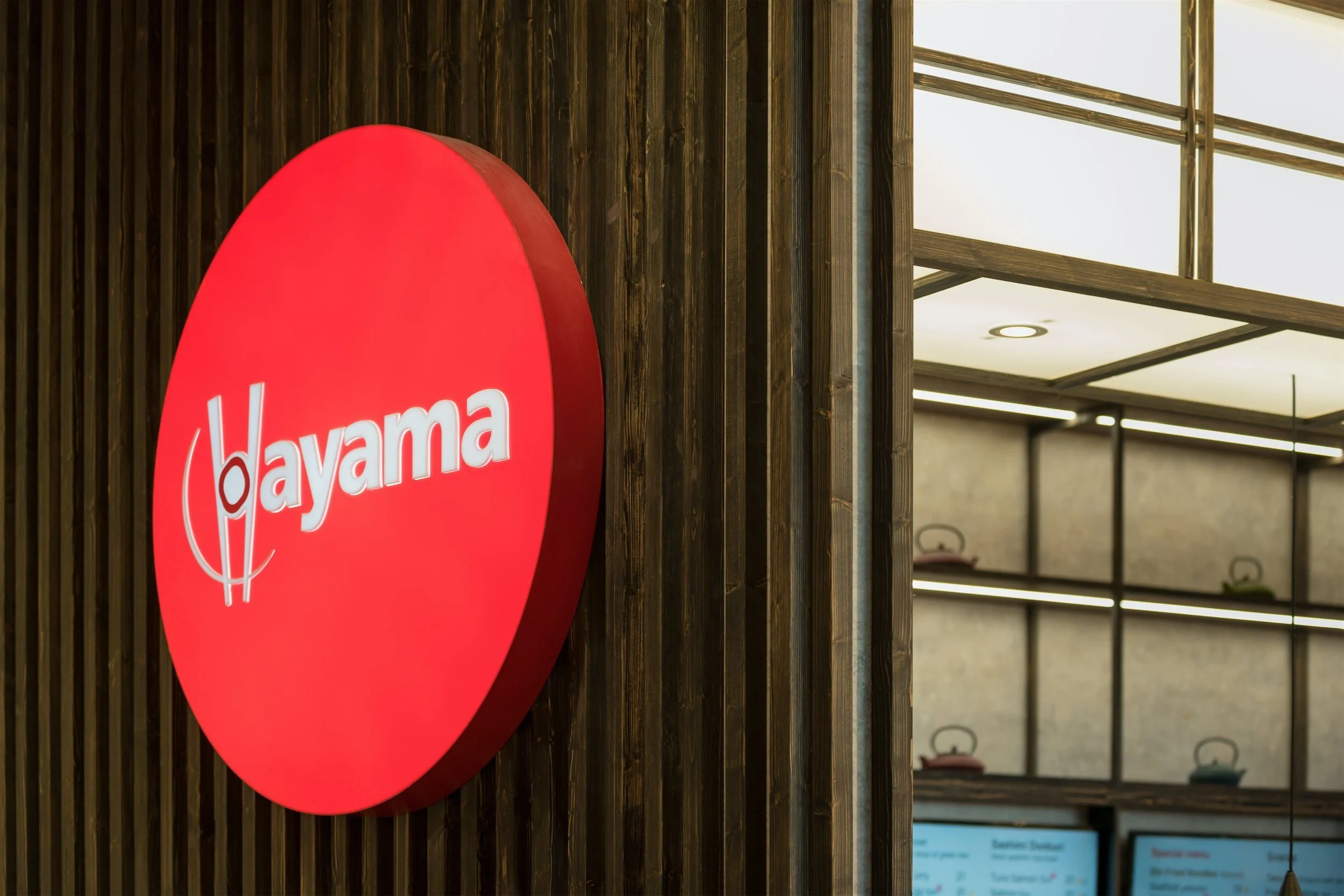
Hayama at Auckland Airport, landside and airside, two tenancies under the same brand working to different rules on servicing, security and after-hours access.
Silk Road and Halong Bay, restaurant interiors built inside airport and city shells where the services and the programme were fixed before the design started.
Icebreaker's flagship in the International Terminal, pine, timber and schist-style stone, so that visitors meet New Zealand on the way out of it.
Wright's Jewellers in Pukekohe, open displays and polished brass against light ash, delivered on budget by local contractors.
Hotel DeBrett, a heritage building given a new interior without pretending the original was not there.
Honda's North Shore dealership, a pyramid-shaped space untouched for thirty years, reopened as a five-star customer experience.
How a fitout runs
Understand the brief and the lease. What the space has to do commercially, and what the landlord, the centre and the building will actually permit. The second half of that sentence decides more than people expect.
Concept design. The idea, tested against the shell, the budget and the brand.
Developed and detailed design. Documentation a fitter can price without guessing, including joinery, finishes, lighting and services coordination.
Approvals. Landlord and centre design approvals, and building consent where the work triggers it.
Tender and build. Tender documentation, evaluation alongside you or your quantity surveyor, and contract administration through to opening.
Roll-out. Where the format repeats, documented once and adapted per site.
Why Walker
Registered architects and interior designers in one studio, so the shell and the fitout are not two separate conversations with two separate consultants holding two different drawings.
Lighting design in-house rather than subcontracted, which matters more in retail and hospitality than in any other interior work.
A portfolio built over decades across New Zealand and into Fiji, Vietnam, India and Dubai, much of it inside operating buildings and trading centres.
Common questions
Do you work inside an existing lease and shell?
Yes, and that is most of this work. It includes the landlord and centre approvals, which are often the part that sets the programme.
Can you do the interior if another architect did the building?
Yes. A good deal of the portfolio is exactly that.
Do you handle lighting, or do we need a separate consultant?
We do it. Lighting is designed with the interior rather than added to it.
Do you document for a fitter, or do you manage the build?
Both are available. We document for tender, help evaluate the fitters, and administer the contract through to opening.
How long does a fitout take?
It depends on the size, the shell and the landlord, and the honest answer comes after we have seen the site. One of ours was delivered in two weeks because the previous tenant was waiting.
Start a conversation
Tell us what the space has to do commercially and we will tell you plainly whether we are the right studio for it.